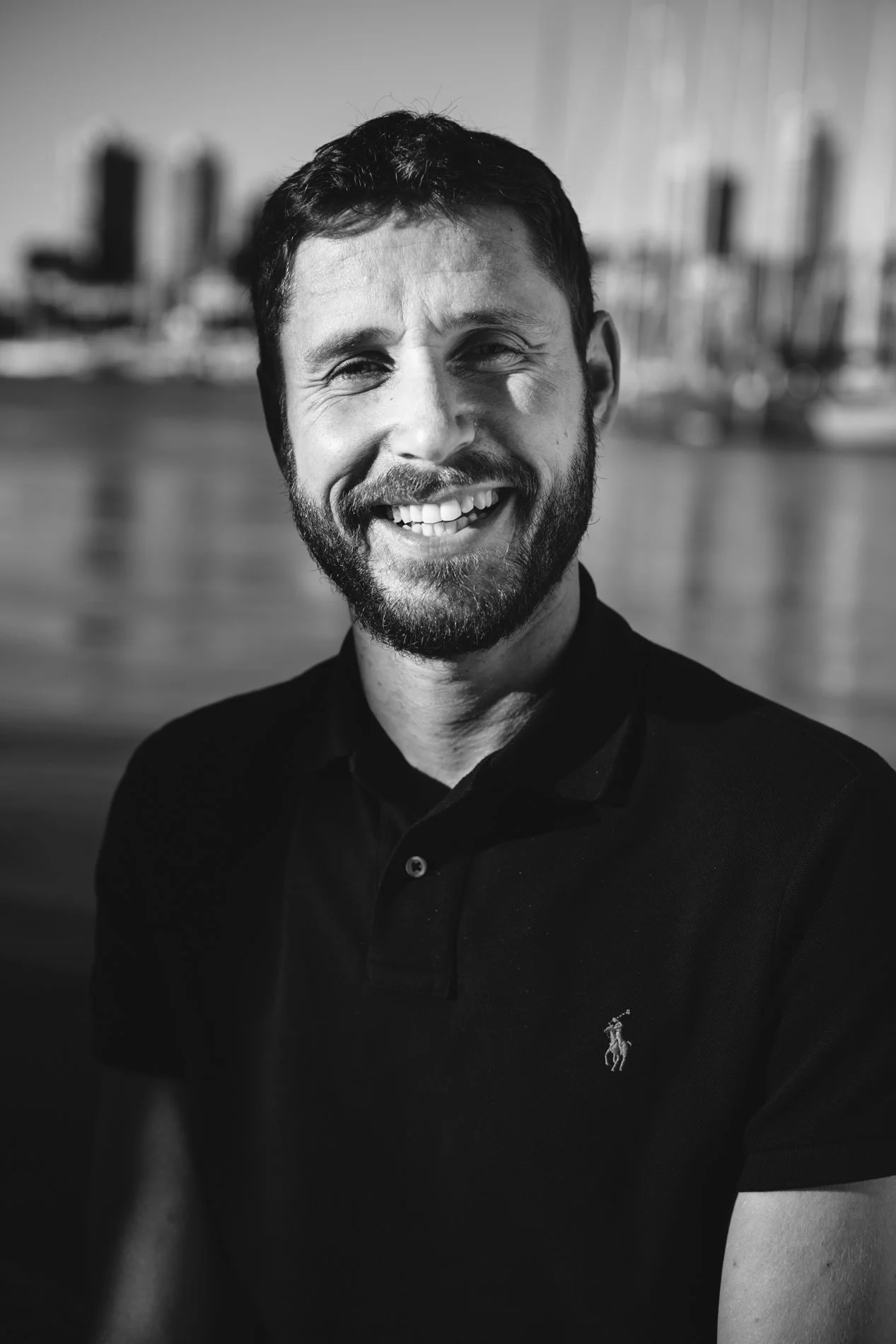
Not a straight line
I was born in a small village in Italy, but nothing about it was ever straightforward. Where I grew up, in South Tyrol, everyone speaks a German dialect, however my passport says I'm Italian. I then studied organisational psychology across the border in Austria.
After finishing my degree, I moved to Australia and, almost by coincidence, ended up coaching senior leaders in corporate Australia. I spent years running heart rate monitors on over 1,500 people, tracking all different kinds of pressure. Corporate, health-related, or the weight of caring for people they loved. What stayed with me wasn't their job titles, but how ordinary the effects looked, and how much they cost underneath. Poor sleep. Fogged concentration. Decisions made from exhaustion. Strain on relationships that mattered most, long before they were willing to call it stress themselves. Whatever shape the pressure took, the cost was often the same.
In 2016 I moved home, to the Italian countryside where I grew up, and spent seven years going deep into ecopsychology. I was involved in a clinical trial, research, and training of other health professionals across Europe in nature-based approaches to mental health. I also wrote a book and worked with the media to bring the subject into the open, at a time when it barely came up in mainstream conversation. I already understood the importance of self-regulation from my earlier years- breathing, meditation, training your body to settle itself. What I learned here was different. Regulation isn't only something you do alone. The nature around you, the people around you, and the world you move through every day either help a nervous system settle, or work against it.
There is one more piece to my journey. It actually comes first, before any of this. After years of studying the mind at university, I wanted to be with it directly, not just read about it. So, I sat in Buddhist monasteries in Nepal and before that in ashrams in India. I learned patience there and something more than that: what happens when a person actually stops, slows down and learns to be with the whole of themselves, rather than fighting or managing their way through it. Everything else that I have done afterwards, the boardrooms, the research, the clinical work, still carries this very attitude underneath it.
Looking back, it was always the same question. I just kept asking it in different places: what does it actually take for a person to come home to themselves, amidst the messiness and complexity of an actual human life? A diagnosis or label only tells part of the story. I want to know first the person underneath their symptoms, their patterns, or their coping strategies. That's the ground my therapeutic process stands on.
Nowadays I use a mix of talk therapies, such as ACT, narrative therapy, and CBT, alongside process and body-oriented approaches, such as parts work, Gestalt, somatic awareness, and mindfulness-based work.
I hold a Master of Science in Work and Organisation Psychology and I’m registered with AHPRA.
I work in English and my nature tongue, German.